
Ecological management is one of the measures that we can take when we choose to protect the environment. The ecological behavior in driving a vehicle involves adaptation to a system that allows the driver not to overload the car and at the same time make an economy up to 20% of fuel consumption.
To drive an ecologically vehicle it is necessary to consider some fairly important practices if you want to protect the environment.
1. Optimize and use the car’s maximum yield variation
a) reduce speed and accelerate easily when exceeding 1000 rotations per minute;
b) change the speed in a higher step when you reach 2000 minutes rotations in a diesel engine and 2500 rotations per minute for a petrol engine.
Tip: at a speed of 50 km per hour it is good to be already at speed 4 or even 5!
2. Choose a driving style that is quite flexible
a) how you can choose to go with a constant speed;
b) Use the engine brake as much as possible and call the brake pedal only when absolutely necessary.
Tip: When you see the red light at the traffic light from the distance, at least 100 meters before reaching it, remove the car and leave it to the «free point»!
3. Manage accelerations
A) until you reach the speed of 50 km per hour, it is advisable to reach this speed as soon as possible, in order to reach the fifth speed as soon as possible;
b) over 50 km per hour, do not force the car anymore and try to go with a constant speed avoiding excessive accelerations;
c) When you lower a valley, it is better to remove your foot from the acceleration and let the car run slowly.
Tip: change the speeds as soon as you can reach the 5th step!
4. Take care of climbing and descent
a) keep the same speed when you want to lower a valley;
b) When climbing, keep a speed of over 40 km per hour.
Tip: When it comes to descent, it is good to take advantage of this aspect in order to lift your foot from acceleration and not try to go faster!
5. Do not overload the engine
a) When you are in a position in which you were room more than 1 minute, it is good to stop the engine;
b) In winter, before climbing on the car, don’t waste time to heat the engine.
Tip: it is better to go on the road immediately after starting the engine!
6. Use your car as much as possible
a) check the tires every month to see if the pressure in them is the correct one;
b) do not carry unnecessary luggage and weights with your car;
c) Keep the trunk on the car when you no longer need it.
Since the best solution to save fuel is to go to environmental protection standards, we recommend the adoption of this style that in the end will help you have a small thing so and less roads on service stations.
What do you do to drive ecological?
Conclusion
Ecological driving is an essential practice for anyone seeking to reduce their environmental impact while optimizing vehicle performance. By adopting eco-friendly habits behind the wheel, drivers can minimize fuel consumption, reduce emissions, and contribute to a cleaner, healthier environment. Studies show that ecological driving can lead to fuel savings of up to 20%, demonstrating that small changes in driving behavior can have significant economic and environmental benefits.
To drive an eco-friendly vehicle, several practices are particularly important. Maintaining a steady speed, avoiding aggressive acceleration and sudden braking, and anticipating traffic conditions all help reduce fuel consumption. Regular vehicle maintenance, including timely oil changes, proper tire pressure, and clean air filters, ensures the engine operates efficiently and minimizes unnecessary emissions. Additionally, reducing idling time, removing excess weight from the car, and using air conditioning wisely can further enhance fuel economy.
Adopting ecological driving habits not only benefits the environment but also extends the life of the vehicle. Smooth, efficient driving reduces wear and tear on the engine, brakes, and tires, saving money on repairs and maintenance. Furthermore, eco-driving encourages safer driving behavior, as it promotes attentiveness, anticipation, and control on the road.
In conclusion, ecological management through eco-driving is a practical and impactful way to protect the environment while enjoying the benefits of a more efficient and sustainable vehicle. By incorporating responsible driving habits and maintaining the car in optimal condition, drivers can achieve significant fuel savings, reduce emissions, and contribute positively to the planet. Embracing ecological driving practices is not only a matter of economy but also a commitment to sustainability and a cleaner future
Latest Posts Published
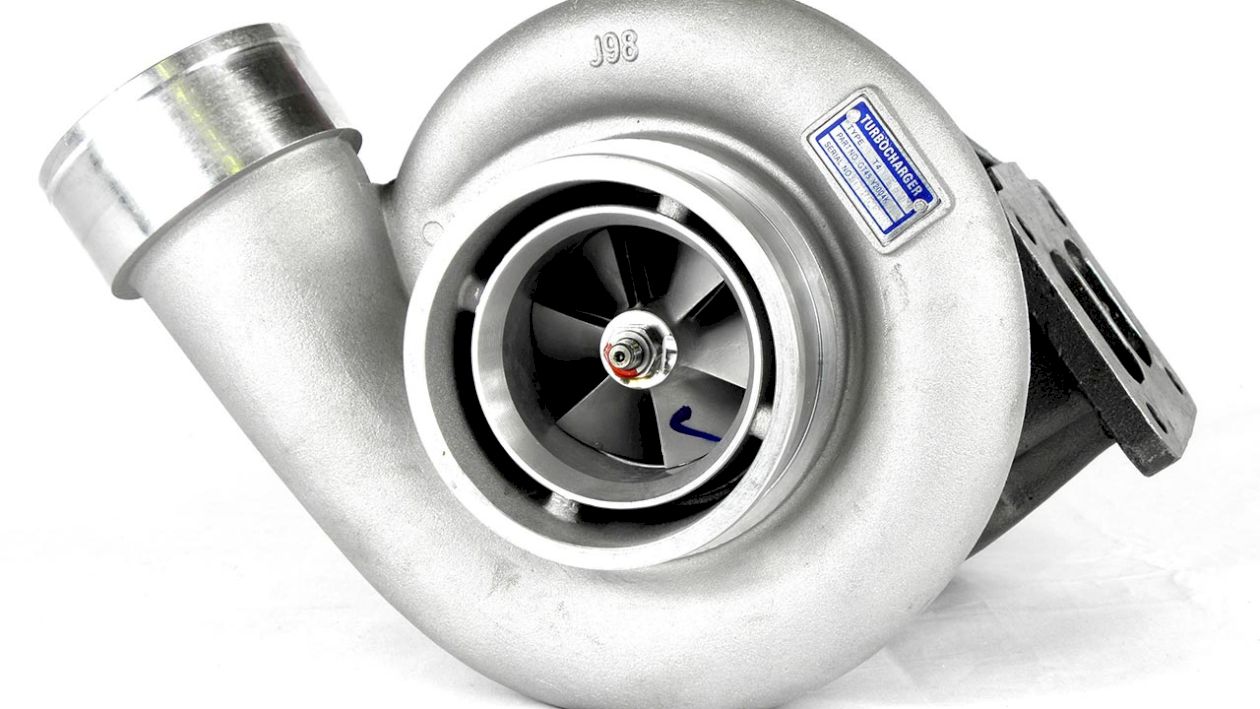
Car turbine – Useful information – gaga work
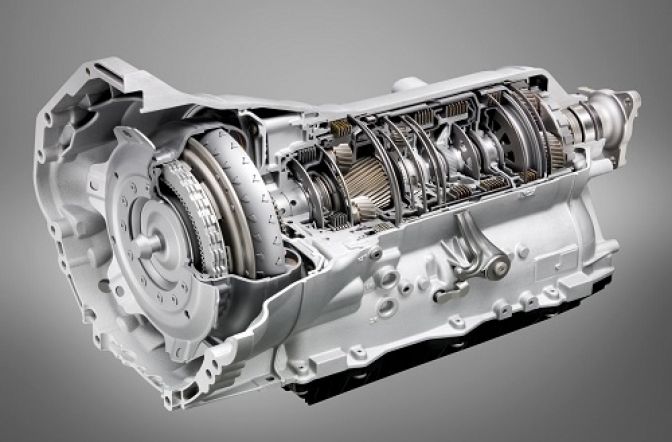
Automatic change review | Periodically check the automatic
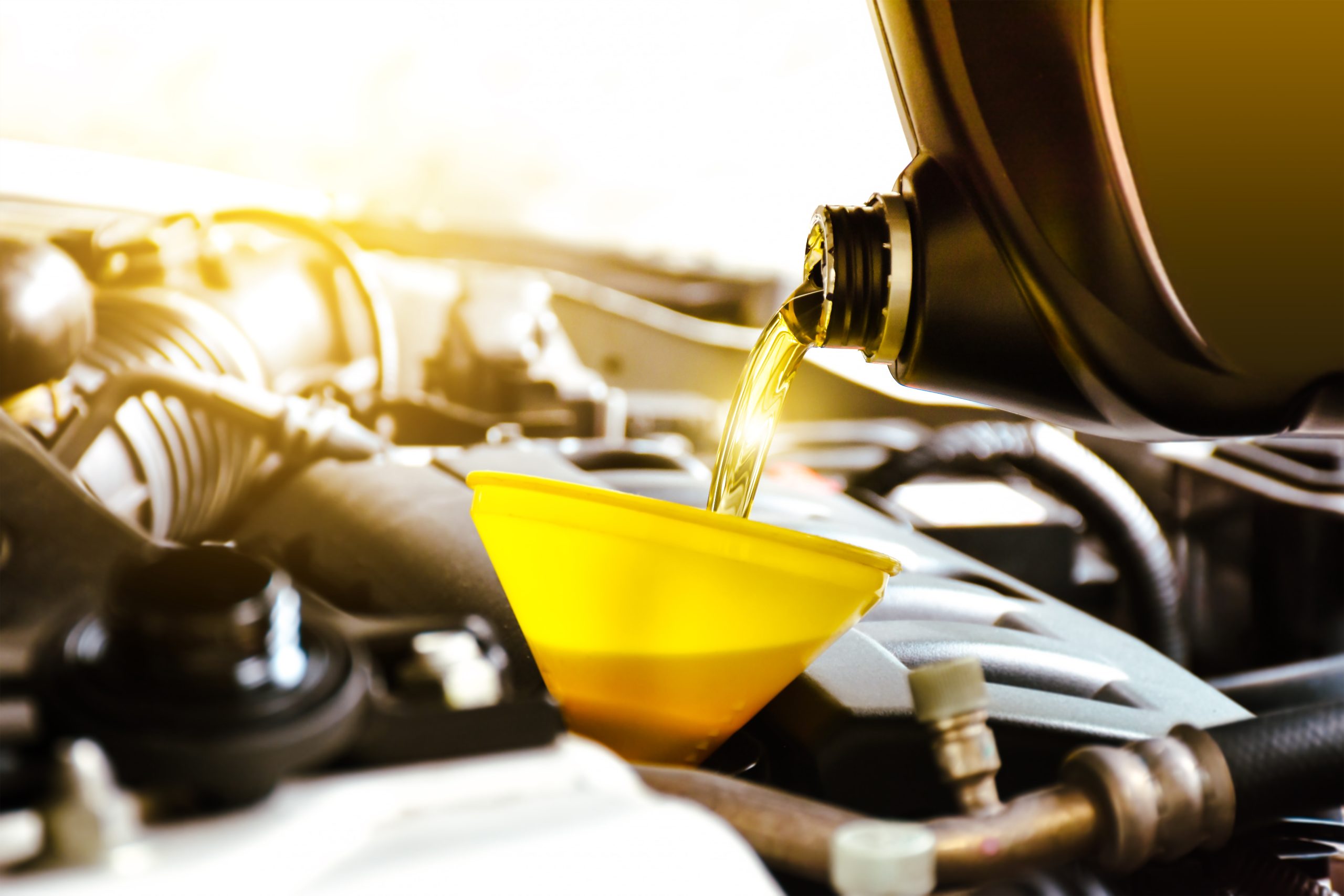
Model Motor Oil: importance, frequency and correct procedure

Maintenance of the interior of a car
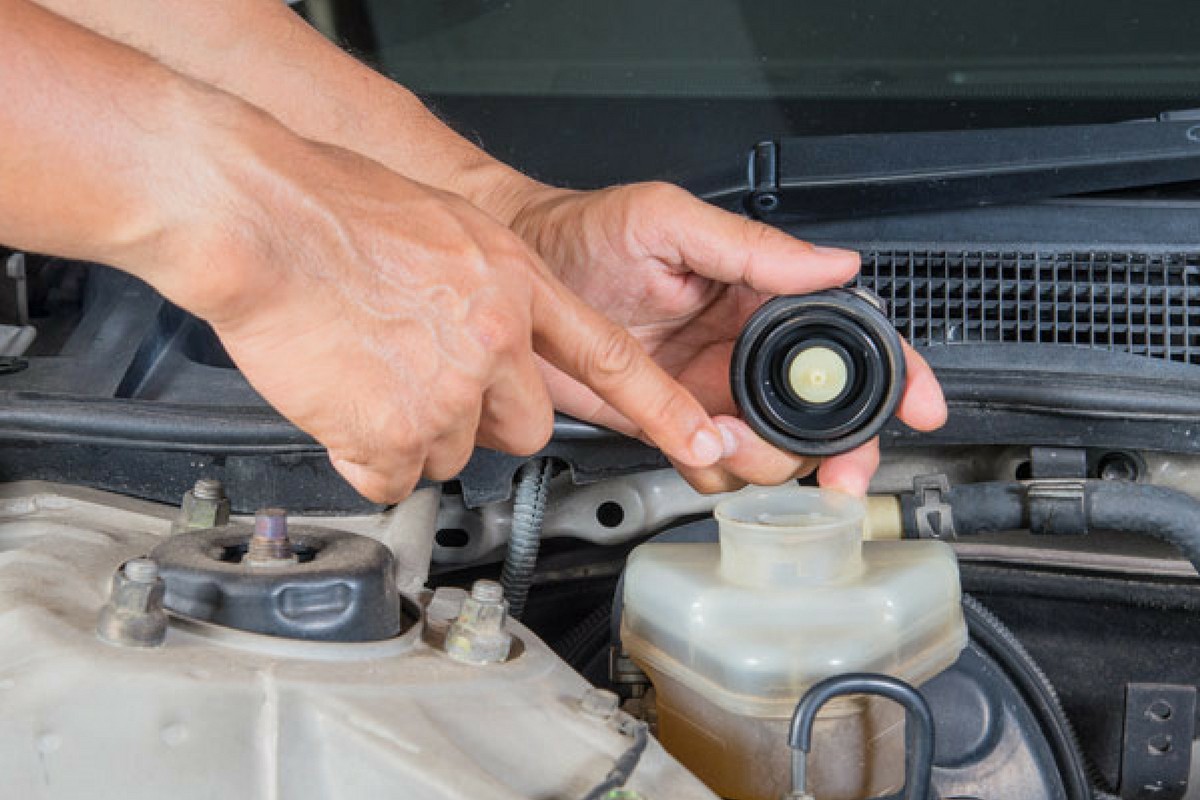
The brake fluid and the importance of its change

BMW Iitia – Parta I – Cup for car | BMW series

Automatic problems that can occur in winter – gaga work | Blog | gaga work
Have you lost water on the buttons of the car? Here’s what to do!

Do you want to sell the car? Find out how you can increase its value