
Motor segmentation is a technique used in the automotive sector to improve engine performance and efficiency. This technology provides for the division of the cylinders of an engine into groups that can be controlled individually. In this article, we will explore the costs and advantages associated with engine segmentation.
Costs:
Development and Engineering: The implementation of engine segmentation involves extensive development and engineering. Business companies must invest significant resources to develop and design motor segmentation systems. This includes the research and development of new technologies, tests and simulations, as well as adapt the engine management system.
Materials and production: The segmentation of the engine requires the use of additional materials to build cylinders and controllable valves individually. This involves additional costs for materials and production processes, such as the processing and assembly of components. The production of segmented engines can be more complex and can require investments in special advanced production technologies.
Control and electronic systems: in order to manage and control engine segmentation, advanced and electronic control systems are needed. These systems must be integrated into the engine design and allow individual cylinder management. The costs associated with the development, test and implementation of these systems can be significant.
Advantages:
Better efficiency: one of the main advantages of engine segmentation is to improve the general efficiency of the engine. With the individual control of the cylinders, fuel consumption and performance based on the management requirements can be regulated and optimized. This can lead to greater fuel efficiency and reduce greenhouse gas emissions.
Improved power and performance: engine segmentation allows individual management and control of each cylinder. This offers the possibility of regulating and optimizing the power and performance of the engine in real time, depending on the driver’s requests and driving conditions. Therefore, the segmentation of the engine can offer a stronger and more pleasant driving experience.
Reduction of vibrations and noises: for the control of individual cylinders, the segmentation of the engine can help reduce vibrations and noises. This can improve comfort during the driver and reduce the noise level inside the vehicle.
Adaptability to future technologies: the segmentation of the engine opens the doors to integration and adaptation to future technologies, such as hybrid and electrical propulsion systems. With the individual control of the cylinders, the electricity generated by the alternative propulsion systems can be managed more efficiently, offering more efficient integration and improved performance.
In conclusion, the segmentation of the engine offers many advantages in terms of efficiency, performance and comfort in driving. However, the implementation of this technology involves significant costs associated with development, materials and control systems. With the technological advancement and the increase in demand for more efficient vehicles in terms of fuel consumption, the engine segmentation will be estimated to earn popularity and expand in the automotive sector.
Conclusion
Motor segmentation represents a significant advancement in automotive engineering, offering a smart solution to balance power, performance, and fuel efficiency. By allowing certain cylinders of an engine to deactivate or operate independently based on driving conditions, this technology reduces fuel consumption and emissions without compromising overall performance. It is an innovation that aligns perfectly with the modern automotive industry’s goals of sustainability and efficiency.
One of the primary advantages of motor segmentation is its adaptability. When the vehicle requires less power, such as during steady cruising or idling, the system deactivates some cylinders to minimize energy waste. When full power is needed — for acceleration or towing — all cylinders are reactivated seamlessly. This automatic adjustment not only improves fuel economy but also extends the life of the engine by reducing wear and mechanical stress. Additionally, it contributes to a smoother and quieter driving experience, making it a practical and environmentally friendly solution.
However, it is important to consider that the implementation of motor segmentation technology comes with certain costs. The system requires advanced electronic controls, sensors, and precise engineering, which can increase production and maintenance expenses. Despite this, the long-term benefits — such as reduced fuel costs, lower emissions, and improved engine longevity — often outweigh the initial investment.
In conclusion, motor segmentation stands as a key innovation in the evolution of automotive technology. It reflects the industry’s ongoing pursuit of smarter, cleaner, and more efficient engines. While its adoption may involve higher upfront costs, the performance and environmental gains it delivers make it a valuable feature for modern vehicles. As technology continues to advance, motor segmentation is likely to play an increasingly central role in shaping the future of efficient and sustainable transportation.
Latest Posts Published
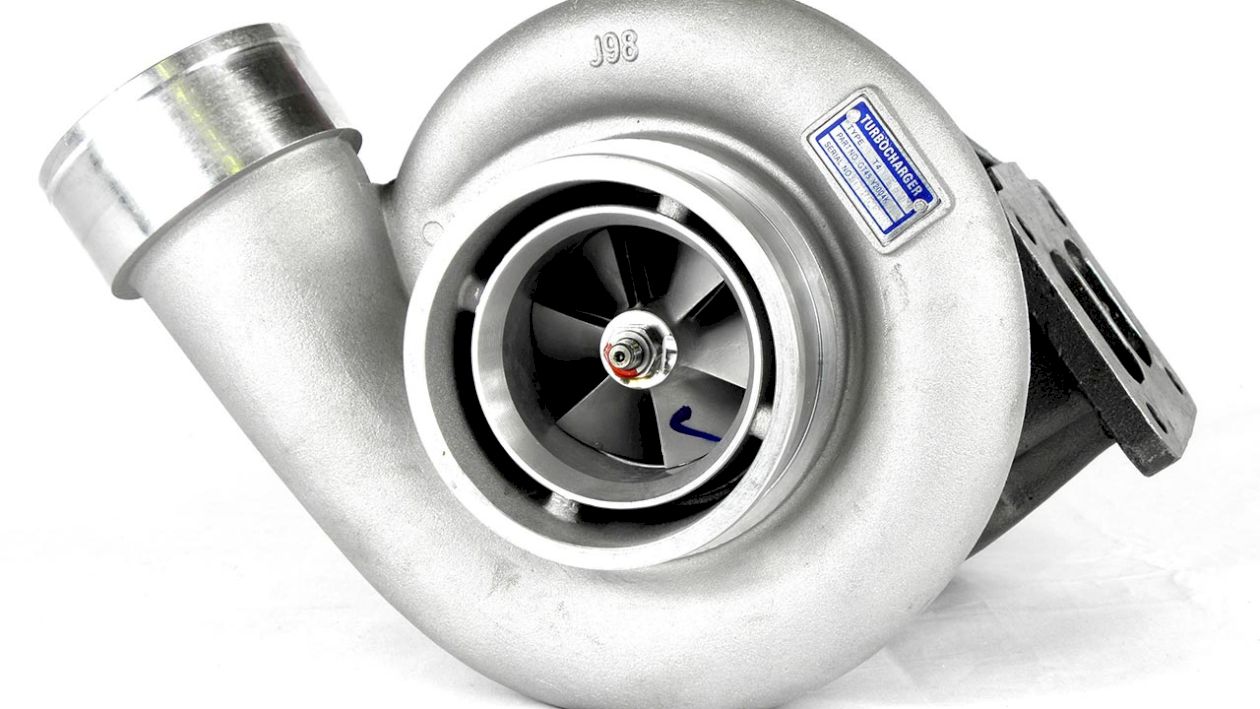
Car turbine – Useful information – gaga work
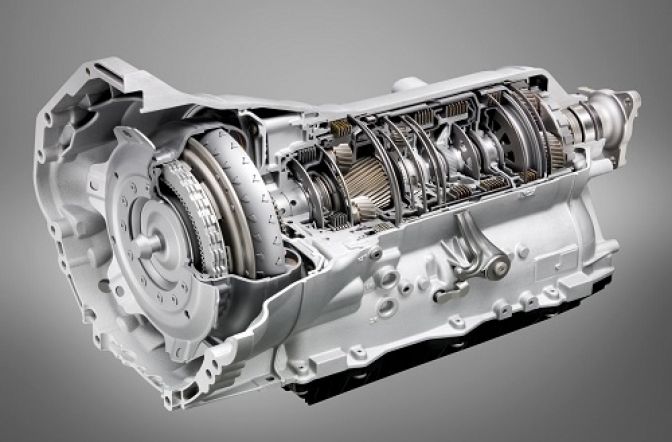
Automatic change review | Periodically check the automatic

Model Motor Oil: importance, frequency and correct procedure

Maintenance of the interior of a car

The brake fluid and the importance of its change

BMW Iitia – Parta I – Cup for car | BMW series

Automatic problems that can occur in winter – gaga work | Blog | gaga work

Have you lost water on the buttons of the car? Here’s what to do!

Do you want to sell the car? Find out how you can increase its value