
According to the last Atlas of the final arrangement of waste From Abetre, of the 5,570 Brazilian municipalities, 2,752 have landfills as an alternative disposal, whether municipal, private or consortium.
In more consolidated data, landfills are responsible 58% ago volume Total treatment of public waste in Brazil and although it is an appropriate option for the destination, these positions require care.
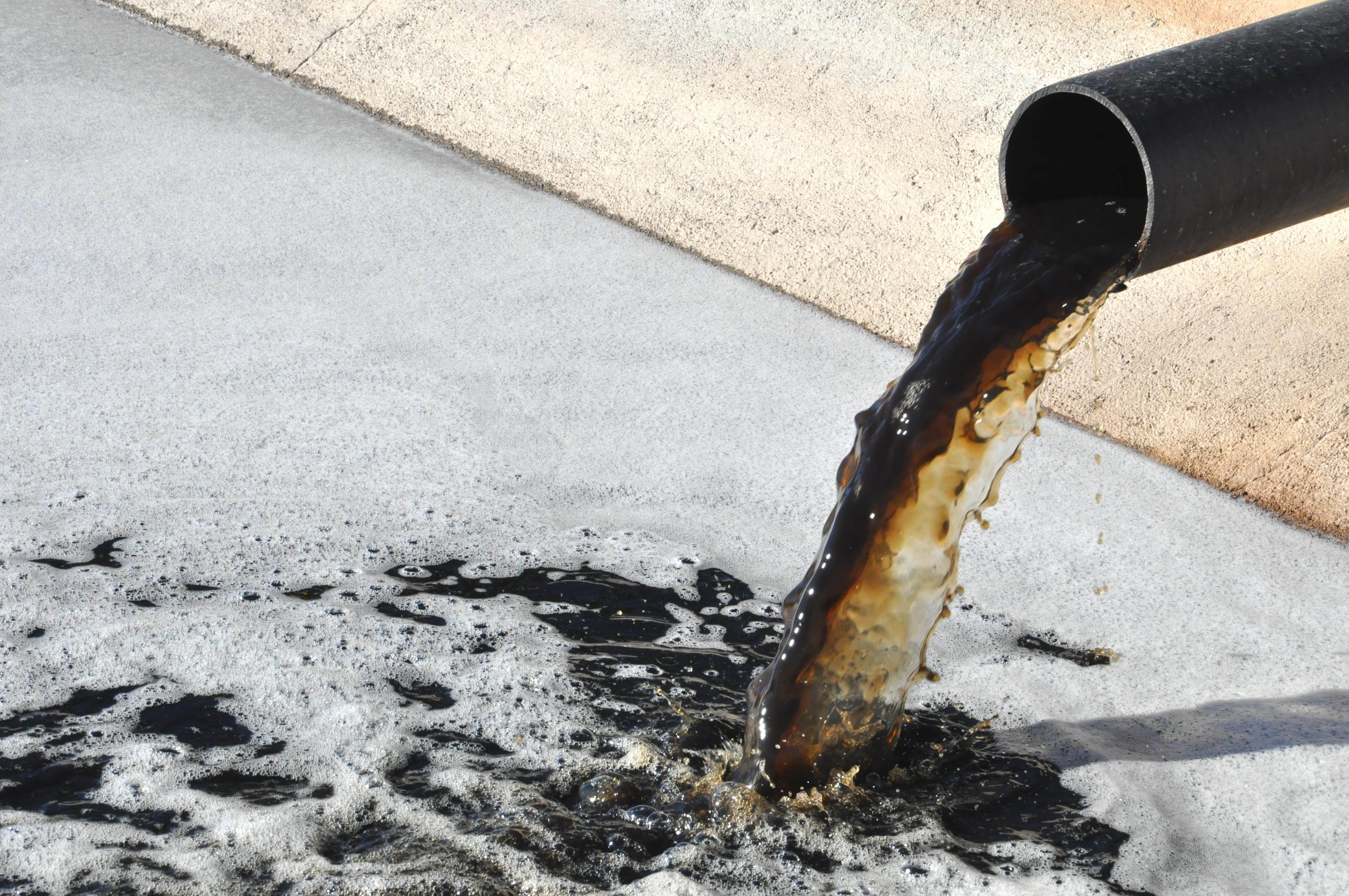
This is because the decomposition process of the entire volume of stored waste releases liquid effluents called «perverted landfill». In junction with rainwater, this material translates into sewage, dark color, strong smell and which contains a high organic load in its composition and can present itself as a challenge for managers regarding the right treatment techniques for this residual.
Why deal with the lisciviation correctly?
In order for landfills to have adequate and respectful operation of the environment, it is essential that it has elements for the acquisition, storage and treatment of lisxivities, as well as for lower and higher waterproofing systems.
Otherwise, the organic matter present in the mass of discarded waste produces a considerable amount of sewage, which, in turn, can contaminate the environment and cause damage to public health.
As it has low biodegradability, high load of materials in the composition and toxic organic compounds, this residual liquid if not correctly treated, is capable of reaching and contaminating The aquifer is irreversibly compromising the waterways in the region.
Given the seriousness of these possible consequences, the norm NBR 8419/1992 By the Brazilian association of technical standards (Abnt) provides for the minimum conditions established for the construction and operation of a landfill, which requires the project to include a system of collection, drainage and treatment of perchage liquids.
The negligence of these guidelines can lead to serious fines and even the interruption of operations.
To find out more
The types of sewage generated in landfills
Health landfills can also generate two types of sewage: those of class I (dangerous) or class II (non -dress) waste. This division, directed by the standard Abnt NBR 10004: 2004it is made as follows:
Class I landfill: Coming from the decomposition of multiple toxic waste to the human being and the environment, which have characteristics such as corrosiveness, flammability, reactivity and pathogenicity. It is possible to appoint, for example, oils, paints and thinner.
Class II Land Land Landbreak: In this class, there is a subdivision: Class II – A Non -inert and Class II – B inert.
The suspension of class A was from the decomposition of low hazardous waste, but they can still have chemical reactions in certain situations such as organic waste, tires, plastic and glass materials. Class B derives from inert materials that have no risks such as wood, iron and scrap.
Alternative to treatment according to legislation
To deal with the suspension, landfills can count on two alternatives:
On the spot: In this method, the construction, operation and maintenance of the sewage treatment system are carried out in the Loce, with specific resources of the company or the contractor, which will also be responsible for all procedures relating to implementation, operation, maintenance, treatment and the correct reference of the well -kept effectiveness.
Off -site: In this alternative, the landfill is no longer investing in the construction, operation and maintenance of the treatment system and, consequently, it is not assumed much of the operational risks, work and the environment by offering this responsibility to the experts, since the processes of receipt, treatment and monitoring of the loss are in office for the contracted company.
In addition to choosing sport, it is also necessary to verify the most suitable type of treatment for leasing. The alternatives are:
- biological treatmentheld in anaerobic lagoons, aerobic lagoons and stabilization;
- oxidation treatmentwhich occurs through the combustion and evaporation of the suspension;
- chemical treatmentwhere there is the addition of chemicals to the sewage.
Generally, biological treatment is one of the cheapest and most efficient options for the degradation of organic matter. In general, this method occurs the action of biological agents such as protozoa, bacteria and algae.
How to adopt adequate management for the treatment of limitation?
When the treatment processes are performed in off -site mode, or through external suppliers, there are three agents: the generator, in this case the landfill, the carrier, responsible for the execution of all the movements and the receiver, who receives and treats the waste.
An efficient management of the limbing involves the care of all agents in the steps, from the violation of the landfill to the final destination. The most appropriate practices for each phase are:
- Generation: The generation of sewage occurs through the decomposition of organic matter, but in this phase the generator should avoid the contact of the leachate with the underground waters, and for this reason it is necessary that the waterproofing of the soil will occur. In the State of Saint Paul, for example, CETESB says that this practice can be made with synthetic clay or geomembrans.
- Collection and conservation in landfill: The collection of Sluger should be performed according to the landfill in which the effluent is collected through a drainage system that also waterproof the soil to minimize the risks of contamination. Subsequently, the leachate liquid is sent to lagoons previously prepared with waterproofing of its profile or for closed storage tanks.
- Referral for treatment in outsourcing units: The moment of removal of the leachate liquid should, above all, avoid the exposure exposure. At this stage, both the generator and the carrier should prioritize the methods that allow you to remove waste correctly and safely, avoiding contact with the atmosphere.
- Transport: The carrier must be evaluated considering aspects relating to the regular situation and the licenses established by the regulatory bodies; The generator must have the necessary documentation, which approves the refferral of waste of environmental interest in the places of portment.
- Treatment: In the treatment, the recipient must ensure that the necessary processes comply with legislation, as well as guaranteeing the appropriate final destination for the environment.
- Final destination and test: Also with outsourcing the treatment of the lisciviation, the landfills remain responsible in the case of the generation of environmental liabilities. For this reason, it is essential to ask the receiver the documents that demonstrate correct practices, such as the final destination certificate (CDF).
Why is the treatment of off -site effluents the correct solution for the destination of the suspension?
The operation of a station that treats the loco (on site) requires the processing of a complex and highly efficient project to consider the best alternatives.
On the other hand, to allocate the effluent for specialized partners, it guarantees the safety of treatment and costs.
In the case of the work developed by Tera Ambieral, while the effluent returns to nature according to the established standards, the sludge resulting from the treatment process are intended for the composting system and reused with other agro -industrial waste, becoming an organic fertilizer made up of value for agriculture and landscape.
This technique, in addition to not generating environmental liabilities, also contributes to the circular economy and guarantees compliance with the legislation.
To find out more about TER Environmental School Treatment, contact a specialist.
Latest Posts Published
Car turbine – Useful information – gaga work
Automatic change review | Periodically check the automatic
Model Motor Oil: importance, frequency and correct procedure

Maintenance of the interior of a car
The brake fluid and the importance of its change

BMW Iitia – Parta I – Cup for car | BMW series
Automatic problems that can occur in winter – gaga work | Blog | gaga work

Have you lost water on the buttons of the car? Here’s what to do!

Do you want to sell the car? Find out how you can increase its value