
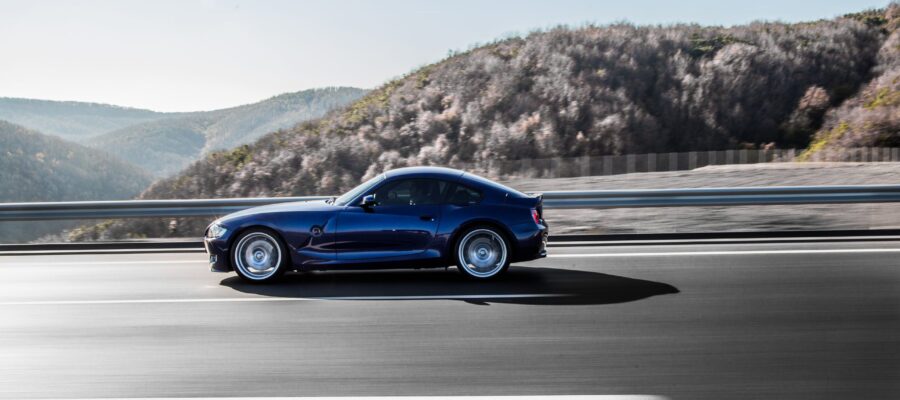
Traction control represents a security system that exists in different forms, starting from the cars made since 2011, has become a mandatory criterion.
A car with the traction control system is much safer than a car without this system.
Traction control works similarly to the anti -blocco braking system (ABS) to prevent or reduce the loss of control over the car when its wheels are free.
Traction control – When was it introduced?
The traction control system has been used since 1970, but the limits from the point of view of technology, presented not only reliable.
Only in the late 1980s, the early 90s became more efficient.
Gradually, due to the development of technology, the traction control system has evolved and the Mercedes-Benz and BMW companies have provided this system on models and series of class S classes, later adding other models, but also to other producers.
Traction control: how does it work?
In addition to the similarity of functionality, the traction control system has the same components of the anti -blocco braking system:
- Speed sensors on the wheel, which monitors the rotation speed of the front wheels or all wheels, depending on the available traction;
- Hydraulic modulator to activate the brakes;
- Electronic control unit (ECU) which takes information from the speed sensors and which, if necessary, transmits the activation of the brakes to the hydraulic modulator.
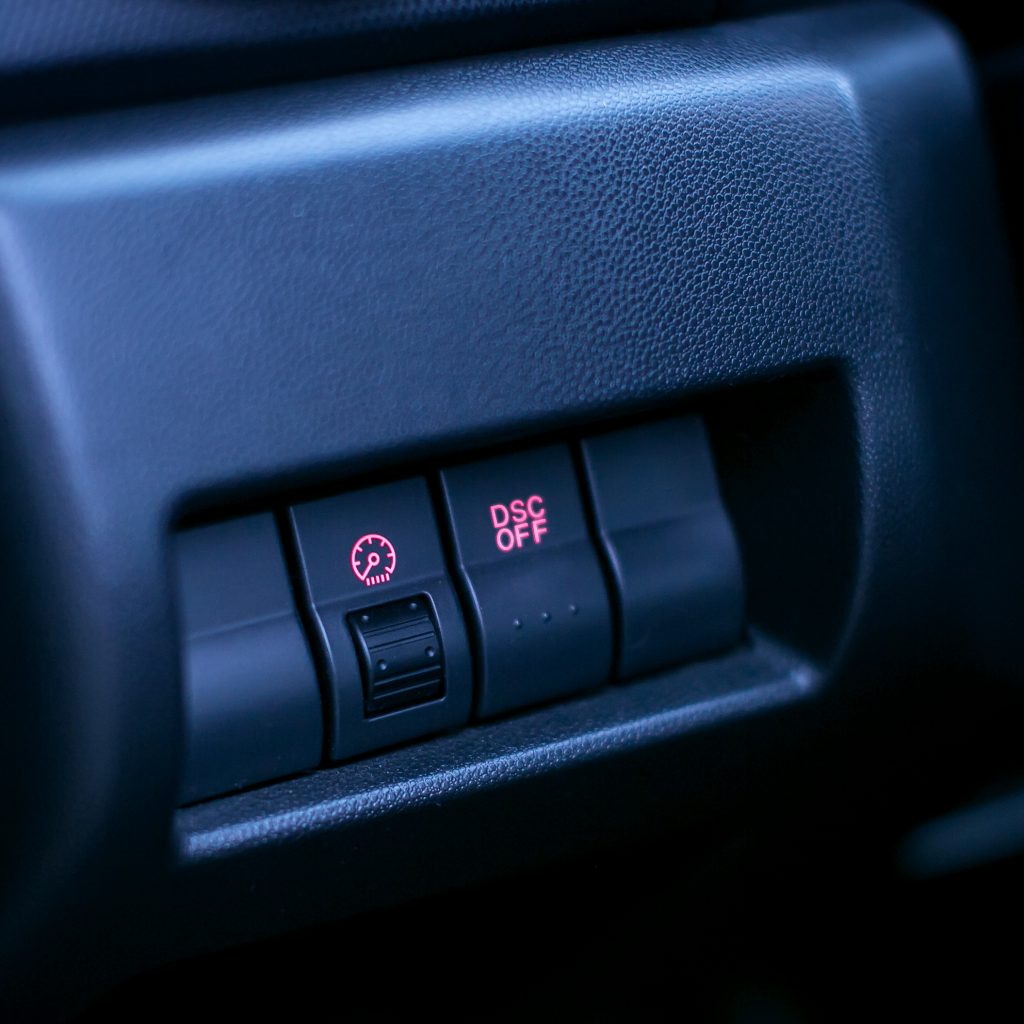
When it comes to modern traction control systems, the hydraulic module and the ECU are connected, although they perform different functions. ECU continually controls if one or more wheels swing faster than the others.
When a possible slip or skid is detected, the ECU transmits to the hydraulic modulator the activation of the braking on the wheel that created the problem in rapid succession. This repetitive process will reduce the rotation speed. As soon as the wheel has regained its traction, the system returns to its activity of monitoring the rotations of the wheel.
There are also systems that reduce the power of the engine when the wheels escape control. In the case of cars with this equipment, drivers feel a pulsation of the accelerator pedal when traction control is active.
Traction control – How efficient is it?
According to the tests performed, to demonstrate that these systems are effective in reducing skids, but is more visible to machines with a whole traction, than those with the front.
In addition, the systems that have incorporated and the option of reducing the engine power give greater stability, while those who use only the brake are more suitable for improving the acceleration process.
As with other car systems, it is not possible to enjoy all the advantages of the traction control system if not used correctly.
This fact suggests that, regardless of whether or not this equipment exists, the driver is responsible for driving carefully and only in conditions in which he feels safe.
It is recommended to avoid aggressive driving, at high speed and too low a distance from the front car, because these factors work against the traction control system.
The software with inadequate speeds under road conditions increases the risk of accident, even if the car is equipped with traction control. It is very important to take into account the fact that this system is not designed to reduce the braking distance.
Therefore, it is essential to always remain focused on the road and alert, regardless of the systems that the car has.
If you liked our article, it will surely attract our attention and activities on Facebook
Conclusion
Traction control is a critical safety feature that has become increasingly common in modern vehicles, especially since 2011, when its presence started becoming mandatory in many regions. This system significantly enhances vehicle safety by helping drivers maintain control, particularly in slippery or challenging road conditions. Cars equipped with traction control are better able to handle sudden acceleration, wet or icy surfaces, and uneven terrain, reducing the likelihood of accidents caused by wheel slip.
The functioning of traction control is closely related to the Anti-lock Braking System (ABS). While ABS prevents the wheels from locking during braking, traction control intervenes during acceleration, detecting when one or more wheels lose grip and automatically adjusting engine power or applying individual brakes to regain stability. This technology not only improves handling but also increases confidence for drivers, especially in adverse weather conditions, by minimizing the risk of skidding or loss of control.
Having a traction control system does not replace safe driving practices but complements them. It acts as an additional layer of protection that helps prevent common causes of accidents, particularly on slippery or uneven roads. Combined with other safety systems such as ABS, electronic stability control, and proper tire maintenance, traction control contributes to a more secure and reliable driving experience.
In conclusion, traction control is a vital advancement in automotive safety that protects both drivers and passengers. Its ability to maintain wheel grip and vehicle stability under challenging conditions demonstrates the importance of integrating modern technology into vehicles. By understanding how traction control works and ensuring that it is properly maintained, drivers can significantly reduce the risks associated with slippery roads and enjoy a safer, more controlled driving experience.
Latest Posts Published
Car turbine – Useful information – gaga work
Automatic change review | Periodically check the automatic

Model Motor Oil: importance, frequency and correct procedure

Maintenance of the interior of a car
The brake fluid and the importance of its change

BMW Iitia – Parta I – Cup for car | BMW series

Automatic problems that can occur in winter – gaga work | Blog | gaga work

Have you lost water on the buttons of the car? Here’s what to do!

Do you want to sell the car? Find out how you can increase its value