
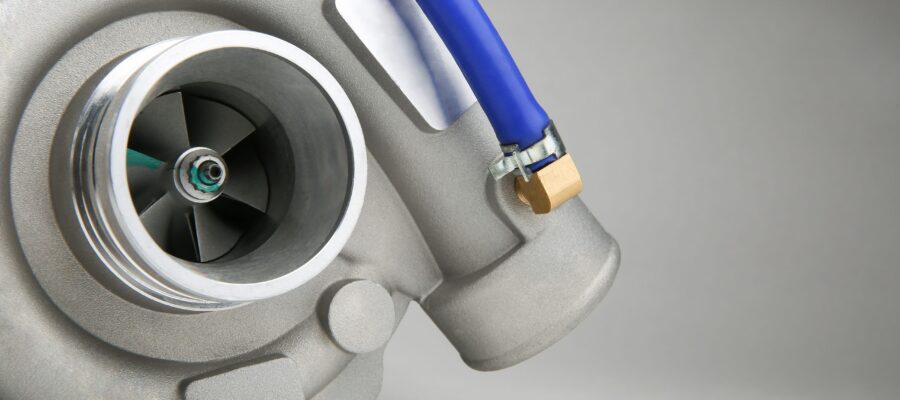
The turbine, also known as turbocharger, represents an aggregate that uses a part of the exhaust gases emitted by the engine and is controlled by the waste valves with the electronic computer of the car, depending on the needs, thus causing the entire engine group.
The turbine currently plays an important role due to pollution standards, being increasingly hard. Therefore, with its help, pollution emissions are lower, they increase engine power and reduce fuel consumption.
Turbine and its benefits
The turbine offers greater engine power, a better acceleration, low fuel consumption, a higher engine torque and a significant reduction in polluting emissions.
Today, the number of cars equipped with a turbo engine is growing, whether it is cars diesel or petrol.
How the turbine works
The Turbo-Compressor is connected by a flange to the engine drain tunnel. It is here that the gases that occur after the internal combustion process, then enter the turbine and turning one of the turbulent wheels, after which it is evacuated leaving the snail, then reaching the drain route.
The turbulent wheels are joined by a steel tree that runs on the bearings. Therefore, once one of the wheels is busy and turned through the exhaust gases, the second begins to turn. The second, being compression, attracts the air in the atmosphere in the second snail, which is compressed and evacuated on the pressure, later taking the path in the Intercooler, and then in the engine aspiration tunnel, where he enters the fire room.
Therefore, the gases that come out of the engine run the turbine and change the thermal energy in kinetic energy. In addition, the turbine that turned another wheel, intended to compress the air and forced it into the engine.
What defects appear in the turbine
What the defects can determine:
- Damage to the oil filter;
- Break the oil filter valve;
- Defective operation of the oil pump;
- Use of inadequate sealing elements;
- Breakage or contamination of the oil tube;
- Overheating during operation;
- Infiltration of foreign bodies (misery, dust, metal particles, gravel, sand)
How to prevent defects
- Change of regular engine oil, recommended by the manufacturer;
- The use of a quality filter;
- Avoid heating of the engine excessive;
- Avoid an excessive engine speed;
- Clean the intercooler when necessary.
Who we are
We launched on the market in 2004, selling imported parts and accessories through car shops.
From the desire to provide quality services, in 2008 we expanded and opened the first automotive service. Since our goal is to perform a performance at another level and always thank our customers, we didn’t stop here and we created gaga work Center, a modern automotive service.
With over 17 years of experience in the field of the car, gaga work has both a great diversity of cars and a professional automotive service, with a young and dynamic team. If you are looking for a reliable service or you need cars, contact us!
Conclusion
The turbine, or turbocharger, has become a key component in modern automotive engineering, offering a blend of performance, efficiency, and environmental benefits. By utilizing a portion of the exhaust gases to increase engine air intake, the turbocharger allows the engine to produce more power without requiring a larger displacement. This not only enhances acceleration and overall performance but also optimizes fuel consumption, making vehicles more efficient and cost-effective to operate.
In addition to performance gains, the turbocharger plays a vital role in meeting increasingly strict emissions standards. By improving the combustion process, it helps reduce harmful pollutants released into the environment, contributing to cleaner air and compliance with global environmental regulations. The integration of electronic controls and waste valves ensures that the turbo operates precisely according to engine demands, providing a balance between power and efficiency under various driving conditions.
Regular maintenance of the turbocharger is essential to preserve its functionality and longevity. This includes monitoring oil levels, ensuring proper lubrication, and avoiding aggressive driving when the engine is cold. Neglecting these practices can lead to reduced performance, higher fuel consumption, or even damage to the turbo and engine components.
In conclusion, the turbocharger represents a remarkable innovation that enhances both the performance and environmental responsibility of modern vehicles. By increasing engine power, reducing fuel consumption, and lowering emissions, it exemplifies the automotive industry’s commitment to efficiency and sustainability. Proper care and understanding of its function ensure that drivers can enjoy the full benefits of turbocharging while maintaining the reliability and longevity of their engines.
Latest Posts Published
Car turbine – Useful information – gaga work
Automatic change review | Periodically check the automatic
Model Motor Oil: importance, frequency and correct procedure

Maintenance of the interior of a car
The brake fluid and the importance of its change

BMW Iitia – Parta I – Cup for car | BMW series

Automatic problems that can occur in winter – gaga work | Blog | gaga work

Have you lost water on the buttons of the car? Here’s what to do!

Do you want to sell the car? Find out how you can increase its value