
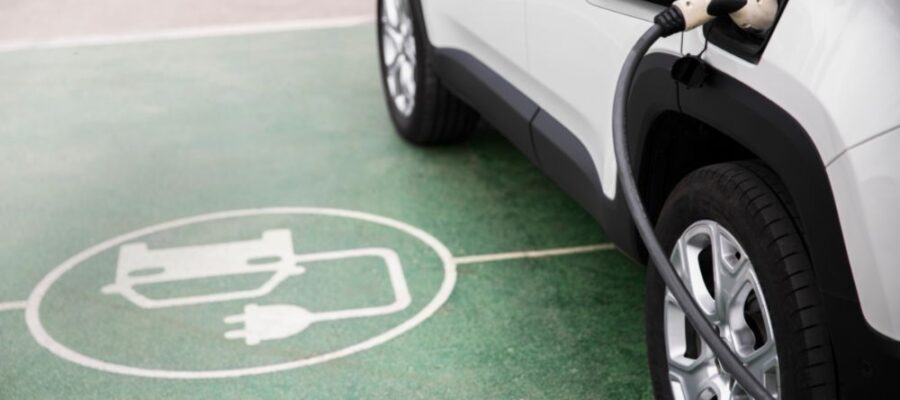
Ha from 2035, All THE new cars miseg on the European market It will be electric. Sold Between 10,000 and 15,000 Euro more expensive than vehicles thermal Due to the price of their batteryelectric car offer the possibility to be recharged at home to compensate for this additional cost for the purchase. With the increase in energy prices In FranceHere are some indications to help you estimate the cost of charging.
Electric mobility dedicated to democratization
Except for rare Free terminals (signs, shopping centers)The cheapest way to recharge your electric car East déjà To do it at home through a private individualSortand domestic or a wall. To calculate the cost a «Plein» At homeTHE Consumption of an electric vehicle –15 KWh/100 km on average mixed cycle– must be multiplied speak Prix From Hour Kilowatt of your energy supplier.
Therefore, taking a median value of 0.146 €/kWh in full hours (HP) Et 0.125 €/kWh eNight hours (HC), Recharge costs € 2.20/100 km (HP) Et 1.90 €/100 km (Hc). For a vehicle whose consumption is about 20 kWh/100 km, the price of top -up is € 2.90/100 km (HP) And From 2.50 €/100 km (Hc). If Qovoltis estimates the cost of a domestic charging between 2.65 € At 4.60 €, EDF Review on Elle These appear with a price between 8 Et 11 € take account a car Equipped witha battery with a capacity of 50 kWh.
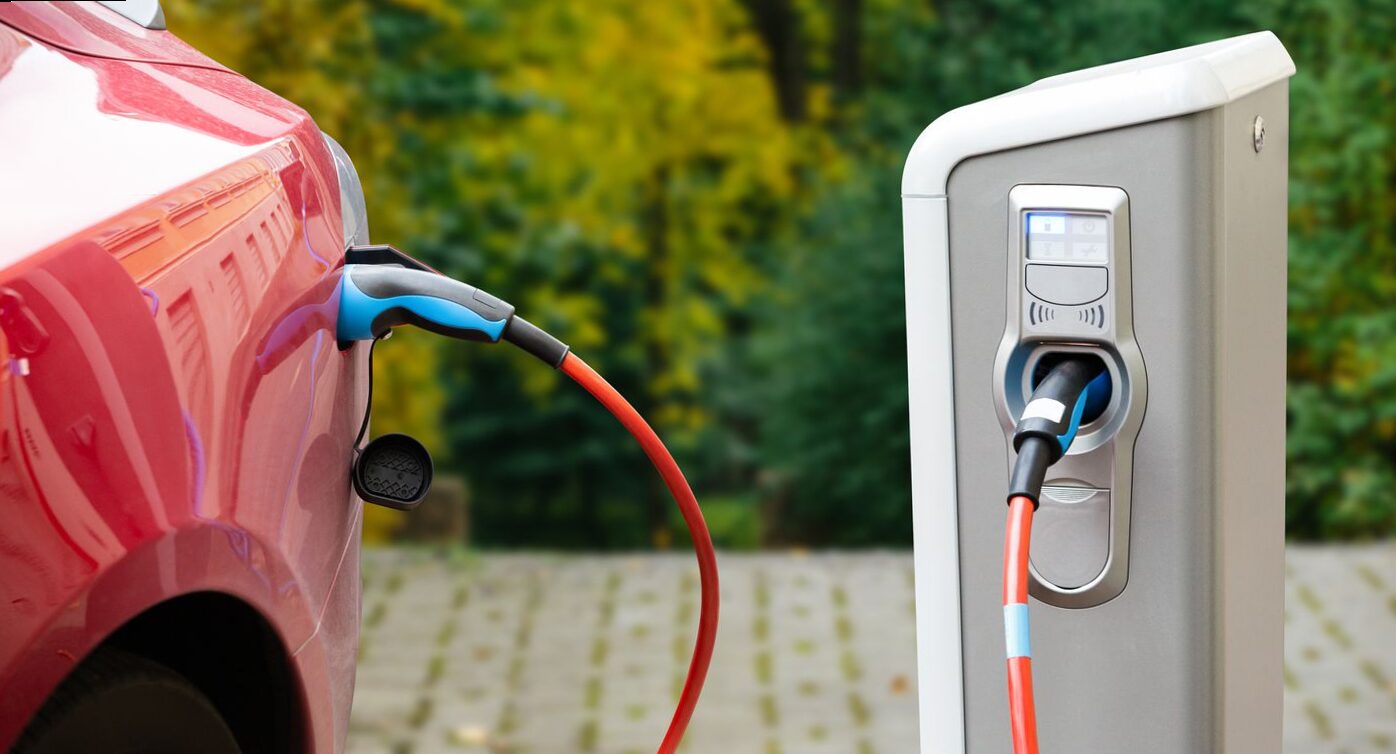
To lighten the invoice electricityMost vehicles now they have programming systems to start the load When Electricity is theA cheaper or when guaranteed of renewable origin.
The explosion of the charge cost in the stations
Prices charged on public charging stations can vary considerably According to networks. They depend in particular on the type terminalfrom the power delivered –Bornes From Quick recharge more expensive than slow and accelerated terminals–of the operator -of the expensive other of others- OR period with Preferential rates at certain moments such as the night.
THE Prix Vary also depending on place Installation (parking, rest area on the highway), subscriber subscriber, AS What The packages monthlys give access to several Free expenses and preferential rates on charging stations of the network.
As for the BorNIt is fast, the prices charged by Ionity are 0.79 €/min (0.30 €/min with subscription) and between € 0.40 and € 0.65/min per total. CNR corridor offers charge to 1 € to which 0.45 €/kWh is added, while the overload Tesla -Vivevole to brand vehicles American- they are accessible from 0.37 €/kWh.
Compressors reduce battery longevity
If an electric vehicle consumes on average between 15 and 18 kWh to perform 100 km in Mixed cycle (city and Milieu extra-urban)On the other hand, it will consume between 20 and 25 kWh For 100 km he traveled on the highway. On a quick 250 kW terminal, The cost of a recharge is DAnd € 14.22 against € 3.31 at home (100 km e mixed cycle).
On the highway, Browse 100 km will require shopping On average € 19.75 with A overload When a house recharges will cost € 4.60 (€ 3.67 in an hour empty). A substantial difference in the price to which the loading time is added. You will need Indeed It counts 7:50 to load a 18 kWh battery on a classic domestic output, against 4 minutes 30 on a charging point Fast of 250 kW.
However, it is advisable not to recharge THE vehicleelectric s Only responsible for fasting as this system reduces long -livedHa of Leuro drums and therefore They autonomy. Making recourse systematically to compressors during All The duration of the life of an electric car -10 years at the rhythm of 12,000 km/year, The user loses Also The savings envisaged in terms of «fuel» consumption.
Despite reduced use costs, theAnd Prices pupil Between a top -up on a home socket and a quick load represent As an additional cost Who cancels the advantage financier Promis by producers When you buy the vehicle.
Conclusion
In conclusion, by 2035, all new cars sold in the European market will be electric, marking a significant shift towards sustainability and the reduction of carbon emissions in the automotive sector. While electric vehicles (EVs) are expected to be priced 10,000 to 15,000 euros more than their traditional thermal counterparts, largely due to the cost of batteries, there are several factors that can help offset this higher upfront cost, including the ability to recharge the vehicle at home.
The ability to charge an electric car at home offers significant convenience, allowing owners to top up their battery overnight or during off-peak hours, which can often reduce costs. With the increasing prices of energy, especially in France, it is essential for potential EV owners to understand the cost implications of charging at home. Estimating the cost of charging depends on factors like electricity rates, the battery capacity of the car, and how often the vehicle is charged.
To calculate the cost of charging, you can use the following simple formula:
- Battery capacity (kWh) x Electricity rate (€/kWh) = Cost per full charge.
- Multiply this by the number of times you charge the car per month to get an estimate of your monthly charging cost.
For example, if an electric car has a 50 kWh battery and the electricity rate is €0.15 per kWh, a full charge would cost around €7.50. If you charge the car three times a week, the monthly cost would be approximately €90.
While the upfront cost of EVs remains higher, their long-term benefits—such as lower maintenance costs, government incentives, and savings on fuel—make them a more cost-effective option in the long run. Furthermore, with the increasing availability of public and home charging infrastructure, and the potential for renewable energy sources to power EVs, electric cars offer an increasingly viable and sustainable alternative to traditional vehicles.
In summary, while electric cars may have a higher initial cost, the convenience and long-term savings from recharging at home, combined with government incentives and environmental benefits, make them a compelling choice for the future. Understanding the cost of charging, especially with the increase in energy prices, will help potential buyers make informed decisions and take full advantage of their electric vehicle.
Latest Posts Published
Car turbine – Useful information – gaga work
Automatic change review | Periodically check the automatic

Model Motor Oil: importance, frequency and correct procedure

Maintenance of the interior of a car
The brake fluid and the importance of its change

BMW Iitia – Parta I – Cup for car | BMW series

Automatic problems that can occur in winter – gaga work | Blog | gaga work

Have you lost water on the buttons of the car? Here’s what to do!

Do you want to sell the car? Find out how you can increase its value